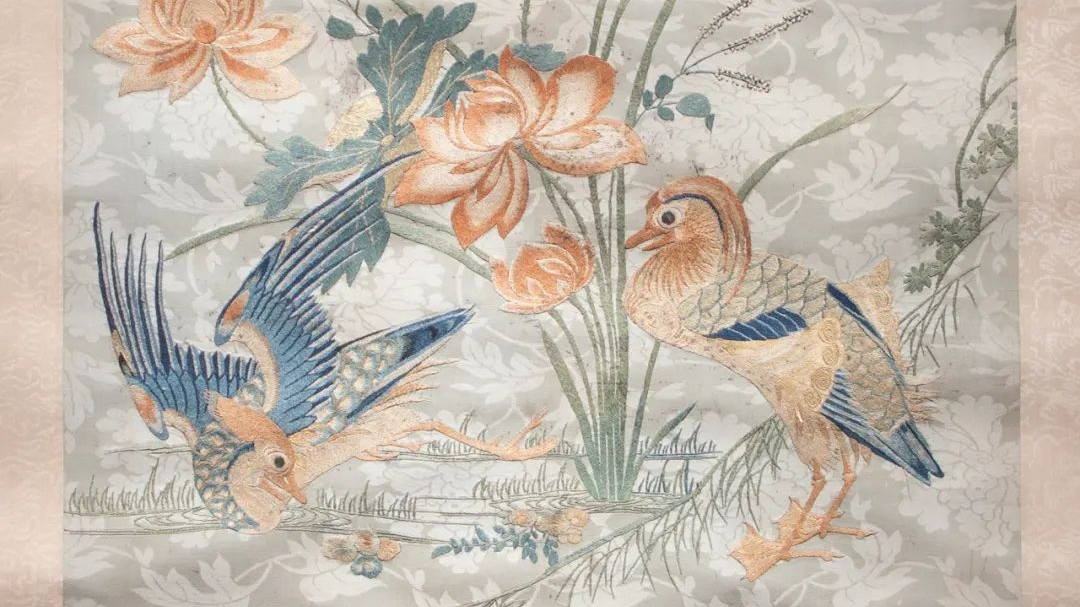
Lu Embroidery
Introduction
Lu Embroidery, a vibrant and intricate art form originating from Shandong province, stands proudly as one of China's eight major embroidery styles. Deeply rooted in the cultural heritage of the region, particularly within Liangshan county, Jining, this craft embodies generations of artistic skill and innovation. Using cloth as a canvas and colored threads as ink, Lu Embroidery creates stunning designs that express themes of auspiciousness, peace, and joy. Its hallmark features include dignified colors, realistic imagery, and impeccable stitching, making it a treasured symbol of Shandong's cultural identity.
The history of Lu Embroidery can be traced back to the Ming Dynasty (1368–1644), during the reign of Emperor Yongle. Zhang Haifeng established a dyeing workshop named "Fuxingyuan." This workshop rapidly gained renown for its exceptional craftsmanship, creating bespoke embroidery works such as quilt covers, sachets, and even court dresses for the empress dowager. So captivated was the empress dowager by Fuxingyuan's artistry that she bestowed upon its creations the prestigious title "Han Chinese Textile Embroidery," establishing it as a distinguished branch of Lu Embroidery. The craft reached its peak during the Qing Dynasty (1644–1911) under the patronage of Emperor Qianlong.
Techniques
The techniques of Lu Embroidery are characterized by their meticulous precision and intricate detail. Artisans employ a diverse range of stitching methods to create lifelike patterns and images, often drawing inspiration from the natural world, traditional symbols, and deeply ingrained cultural motifs. A defining characteristic of Lu Embroidery is its ability to convey depth and realism through the careful and deliberate manipulation of threads and needles.
Consider, for example, the embroidery of a lotus flower, a potent symbol of auspiciousness, peace, and joy. Artisans adhere to specific principles to ensure that the petals and leaves appear both natural and harmoniously balanced. The process involves precise needlework to achieve accurate proportions and realistic textures. The selection of colors is equally critical, contributing significantly to the overall aesthetic impact and thematic expression of the piece.
Cultural Significance
Lu Embroidery holds immense cultural significance as a vital representation of Shandong's rich artistic heritage and cultural identity. As one of China's eight major embroidery styles, it stands as a testament to the region's historical depth and artistic prowess. Passed down through generations, the craft preserves unique techniques, motifs, and stories. Its recognition as a national-level intangible cultural heritage underscores its enduring importance. Beyond aesthetics, Lu Embroidery conveys deeply felt cultural and emotional narratives, often incorporating symbols and themes that resonate with core Chinese values such as harmony, prosperity, and familial love. Exhibitions, cultural events, and its increasing presence in modern design emphasize the craft's adaptability and continued relevance in contemporary society.
Preservation and Promotion
Ongoing efforts to preserve and promote Lu Embroidery are crucial for safeguarding this invaluable art form for future generations. The Shandong government actively supports its development through comprehensive initiatives that encompass handicraft standards, design innovation, brand building, marketing strategies, and supportive policy frameworks. Zhang Haifeng, a sixth-generation inheritor of Han Chinese Textile Embroidery (a prestigious branch of Lu Embroidery), plays a pivotal role in these efforts. By organizing training classes in Liangshan county, she empowers local women by teaching them the intricate art of embroidery, thereby providing economic opportunities and sustaining the craft's legacy. She has also established a company focused on handmade weaving and embroidery, registering brands recognized as intangible cultural heritage items. Exhibitions, cultural events, and the integration of Lu Embroidery into tourism initiatives further enhance its visibility and appeal. The dedication of artisans like Zhang Haifeng, who skillfully blend tradition with innovation, ensures that Lu Embroidery remains a cherished and vibrant part of China's cultural tapestry.








